Welcome back, my fellow creatives!

When Blondie, Biff, and Bash were but wee Bs, I kept the Halloween frights to a minimum. They’d run during the opening sequence of It’s the Great Pumpkin, Charlie Brown because they didn’t like the owl. The Cat in the Hat Knows a Lot about Halloweeen had a freaky costume segment. Poor Percy and Henry experienced all sorts of dark and spooky nights on Sodor in Thomas & Friends.
But these days my wee Bs are teen Bs. Gone are the model trains and cats in hats. Time for freaky aliens like The Thing, monsters like Dracula, and psycho killers like in…Psycho. You get me.
While I love sharing some spooktacular horror classics from across the 20th century with my teen Bs, I have a soft spot for those bygone days of curling up on the couch with a blanket and a bunch of plush animals to experience a silly bit of spookiness rather than bloody alien tendrils and innards spilling everywhere. Sure, the Bs finally sit still to watch Charlie Brown, but don’t you dare bring up Thomas or Curious George. That’s baby stuff, they say.
Well, I say I can watch the baby stuff if I want to. So I picked one to watch, and by golly, did I enjoy a thorough lesson in plotting, twisting, pacing, and payoff. Hitchcock himself would be pleasantly surprised.
That masterclass was in none other than Curious George: A Halloween Boo Fest.

Yes, I’m serious.
Let’s step back a second and consider a classic first–Hitchcock’s Psycho, for instance. The moment the story shifts to the Bates Motel, one of the first visual details introduced is the shadow of “Mother” pacing past the window. It’s a subtle, seemingly background detail that becomes the entire narrative linchpin during the final act reveal. (If you’ve seen the film, you know exactly what I mean.)
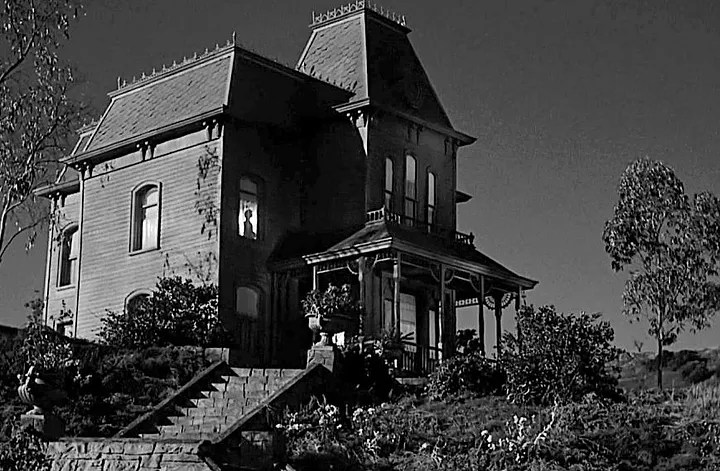
How on earth can I be talking about A Halloween Boo Fest, a holiday special for PBS Kids, with such a classic? Because this random special has an extremely tight plot structure, plus strong setup and payoff.
Let’s start at the beginning (as I’ve heard that’s a very good place to start). Within sixty seconds, we see Curious George helping Jumpy the Squirrel gather nuts for the winter. A typical autumn scene, right? Put a pin in that.

In the next scene, George and a little girl learn visit a pumpkin patch, where the teen worker spooks them with the local legend of No Noggin, a scarecrow from an old farm who haunts the road by Old Lonesome Tree and steals people’s hats every Halloween night. When George shares his fears with The Man with the Yellow Hat, though, he learns the legend is just a story and not real. This is our first subversion.
In the next scene, we have another subversion and reversal. When George and The Man with the Yellow Hat visit the local antique store while watching the setup of the Boo Festival, they discover a photo album that proves the scarecrow actually had a head and was next to a totally different tree from Old Lonesome Tree. The scarecrow couldn’t be No Noggin–hence, the legend was just a story and not real.

But THEEEEEN George finds a map in the photo album that reveals Old Lonesome Tree is actually the tree in Curious George’s yard, a tree where lots of people experienced losing their hats during Halloweens past. As one neighbor says: “Your house isn’t haunted… just your yard!”
This line still makes me chuckle, and again, it’s fitting for the situation, the characters, and the audience. And this all happens in the first half hour of the special, too. From one scene to the next, we get a twist, then another twist, then yet another twist. Even with the saccharine songs, the plot never slows down, which keeps the audience engaged. Plus, every scene also continues to provide little bits of autumn life, like entering a costume competition and enjoying the leaves while Jumpy the squirrel continues to gather his acorns.
So, where do this mysterious headless scarecrow and nut-crazed squirrel take us?
Every good mystery or adventure needs a resolution that feels earned, not forced. Let’s see how Curious George pulls this off.
More exploring of the photo album reveals an old letter from the farmer’s daughter, who writes to the new farm owners that the original scarecrow lost his pumpkin head to a deer. Her letter claims the scarecrow grew so bitter about losing his head that he swore no one else would wear a hat either.

This provides a solution to this supernatural mystery lingering in George’s yard: find a new head, and the scarecrow won’t be bitter anymore. George gathers the remaining pumpkins from the local pumpkin patch and, with the little girl and the teenager, sets a trap to lure No Noggin out so they can get a picture and identify the right pumpkin to provide as a new head.
And the trap works! The teen is “hatted,” and while he freaks out down the road, the girl and George follow the moving hat to a little cave, where they discover several hats from across the decades and….Jumpy the Squirrel.
Turns out Jumpy’s great-great uncle was present when No Noggin became No Noggin, and tried to use No Noggin’s hat for storing nuts so he wouldn’t have to bury them in yucky dirt. The farmer took the hat back, but since it was Halloween, the squirrel chose to snag some costume hats from trick-or-treaters instead. And the squirrels in Jumpy’s family kept the practice going every Halloween after.
Thus, a legend was born. The truth wasn’t about a scarecrow angry at hats at all. As the narrator put it, “It was just nuts.”
A truth that was foreshadowed in the very first minute of the film.
The climax gets even zanier with a pumpkin stampede, but you can enjoy the whole special for yourself right here.
Hitchcock knew the importance of premise and payoff. Hitchcock also knew the importance of layering the story so clues to the payoff were hidden throughout the show.
And wouldn’t you know that this Halloween Boo Fest applies those same lessons.
- Plant seeds early, but make them invisible: Jumpy squirrel gathering nuts in the opening scene felt like establishing the setting–just another bit of autumn life in the country. But by the climax, it’s the literal key to resolving the whole mystery of No Noggin. If you want a twist to feel earned, lay the groundwork long before the reader knows they should be paying attention.
- Layer your reversals: The narrative repeatedly flips the truth: We go from a spooky legend to “it’s just a story” to then see it’s real to then say the evidence doesn’t match to then realize a DIFFERENT piece of evidence was fake and that the legend is REAL to THEEEEEEEEEEEEEEEEEEEN….whew! you get me. All this twistaroo keeps the plot tight (in spite of the hoaky songs) and keeps the readers guessing, and that is trait of compelling storytelling no matter what genre.
- Respect your audience: Was this written for kids? Definitely. Does that mean it’s got to be dumbed down to a bunch of rhyming characters worried about bubbles? (That’s an actual Thomas and friends plot, by the way. Ugh, what an episode.) Never. No matter what kind of story you’re writing, respect your audience. Readers of any age enjoy stories where things happen. Never skimp on narrative structure because you think your audience won’t notice.
When you map out your twists and turns, nurturing those seeds you planted at the start, you ensure your story isn’t just a joy to write, but to trip to share, too.

Coming up, we’ll saunter through surreal soundscapes. We also have some podcasts coming up and a tearful farewell.
Read on, share on, and write on, my friends!