
Welcome back, my fellow creatives! I’m thrilled to continue sharing some lovely indie authors I’ve met in our community–it’s so great to connect with folks again. This month, please welcome the fantasy author, Andrew McDowell!

It’s fascinating to see how you can shift your creative energies from poetry to prose nonfiction and back again. What style of writing first caught your attention, and what is it about the other styles that draw you to them from time to time?
When I first became interested in writing at around eleven, I was more into little stories, perhaps because I was a little boy with a short attention span. When I got serious at thirteen, I had started my first attempt at a novel, and there was no turning back. So I guess it was fiction first. I didn’t get into poetry, I think, until high school. Creative nonfiction was something I got into after a course in college. Novel-length fiction allows me to go in-depth with ideas that resonate with me, and short stories if I don’t need to go too in depth. Poetry allows me to think about ideas or express emotions in the moment. Creative nonfiction lets me draw on special memories.
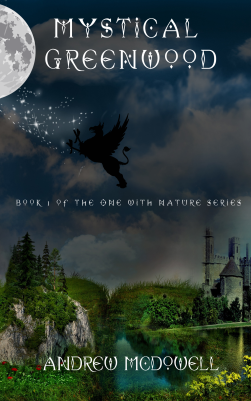
What first drew you to the fantasy genre for your novel writing as opposed to other genres?
Truth be told, I originally intended to write a horror story, but as I progressed with writing it, I realized it was heading in the direction of fantasy instead, so I decided to just go with it, and it evolved from there. But with fantasy, I’ve always enjoyed concepts of magic and mythical
creatures, as well as knights in shining armor. And eventually I brought my love of nature into the mix with my story, which I think makes the story a little more unique.
I can see that love of nature in the childhood favorites you shared with me.
Oh yes, there were so many books I enjoyed. Two of my
favorite childhood authors were Dr. Seuss and Beatrix Potter. I loved their stories, I think,
because of the creature characters and the moral lessons they imparted. Some of my favorite Seuss stories included The Lorax, The Sneetches, and How the Grinch Stole Christmas! With Potter, I especially loved The Tale of Peter Rabbit, The Tale of Tom Kitten, and The Tale of Mr. Jeremy Fisher. But there were others that stand out, including The Polar Express, Owl Moon, Harold and the Purple Crayon, and Goodnight Moon. I read a lot of fact-books too; one was Melvin Berger’s A Whale Is Not a Fish and Other Animal Mix-ups (I have a character in my second book say a whale is not a fish as a tribute to it).
Aw, that is awesome! I love using the occasional 80s reference in my fiction as well–we can’t help what influences us! On your author site, you mention your place on the Autism spectrum was discovered when you were 14—not much older than my twin boys when they were assessed and diagnosed. I’ve shared on this blog in the past how my son Bash’s creativity is affected by his Autistic traits; when you think about your own creative processes, do you feel they could be influenced by your place on the spectrum?

In some ways, yes, I think my autism has influenced me. I see the world differently than other people do, and I don’t always know that my view is different. Character depth has been one of my biggest struggles because I am such a detail-oriented person. As I mentioned last year on a podcast, I had to teach myself rules about grammar and even word meanings that I didn’t really know about until I was much older. Perhaps, subconsciously, that is why I made my fantasy protagonist someone who doesn’t quite fit in and is searching for where he fits in his world.
If you could tell your younger writing self anything, what would it be?
To be patient and forgive yourself for your mistakes. I was impatient when I was young, and I rushed in my desire to be published, and over the years I’ve struggled with perfectionism and imposter syndrome. In some ways, they’ve helped shape me as a writer, but the anxiety I’ve experienced was no fun. I’ve learned—and am learning—being slower is better, and that the literary world is more forgiving than I might’ve thought.
What literary pilgrimages have you gone on?
None yet, really. I’ve been to conferences and conventions, but never outside of Maryland. Still, there are many writer-related places I’d love to visit, especially in the UK. I’d also like to attend a writers’ retreat, though for my first, I think I’d like to keep it within a drivable distance so to get used to it.
I’m with you on keeping the journeys low-key for now, especially when life’s got soooooo many other obligations going on. Are you friends with other local writers? If so, how do they help you become a better writer?
There are so many, it would be impossible to name them all. I’ve met writers through the
Maryland Writers’ Association and online who follow my website’s blog and social media
platforms. They give me encouragement and support, and they’ve helped promote my work. I’ve shared ideas with them and heard their thoughts. Some have opened publishing routes, and many have reviewed my books. Quite a few have been beta readers for my work, whether online or in the critique group I run. Knowing them has been invaluable, and I’m certain I wouldn’t have gotten as far as I have without them.
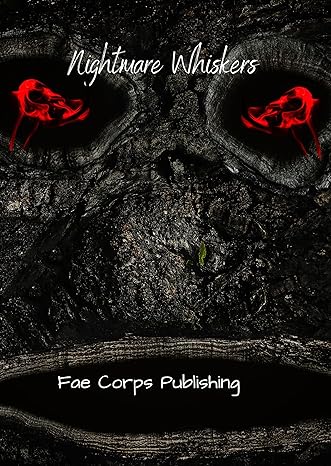
I noticed that one of your poems, “The Black Cat,” fits perfectly into a horror anthology that came out last month. Do you enjoy the challenge of writing within the guidelines of a theme or prompt, or do you feel it restricts your creativity? (I have to follow a prompt myself for my university’s creative journal, and I still don’t know how I feel about it, lol.)
Sometimes I do. Though truth be told, many of my poems and stories were written long before the anthologies were published. Often, when the submissions were open and I read the guidelines and the theme, I remembered having written something that I felt was a perfect fit and so submitted that work.
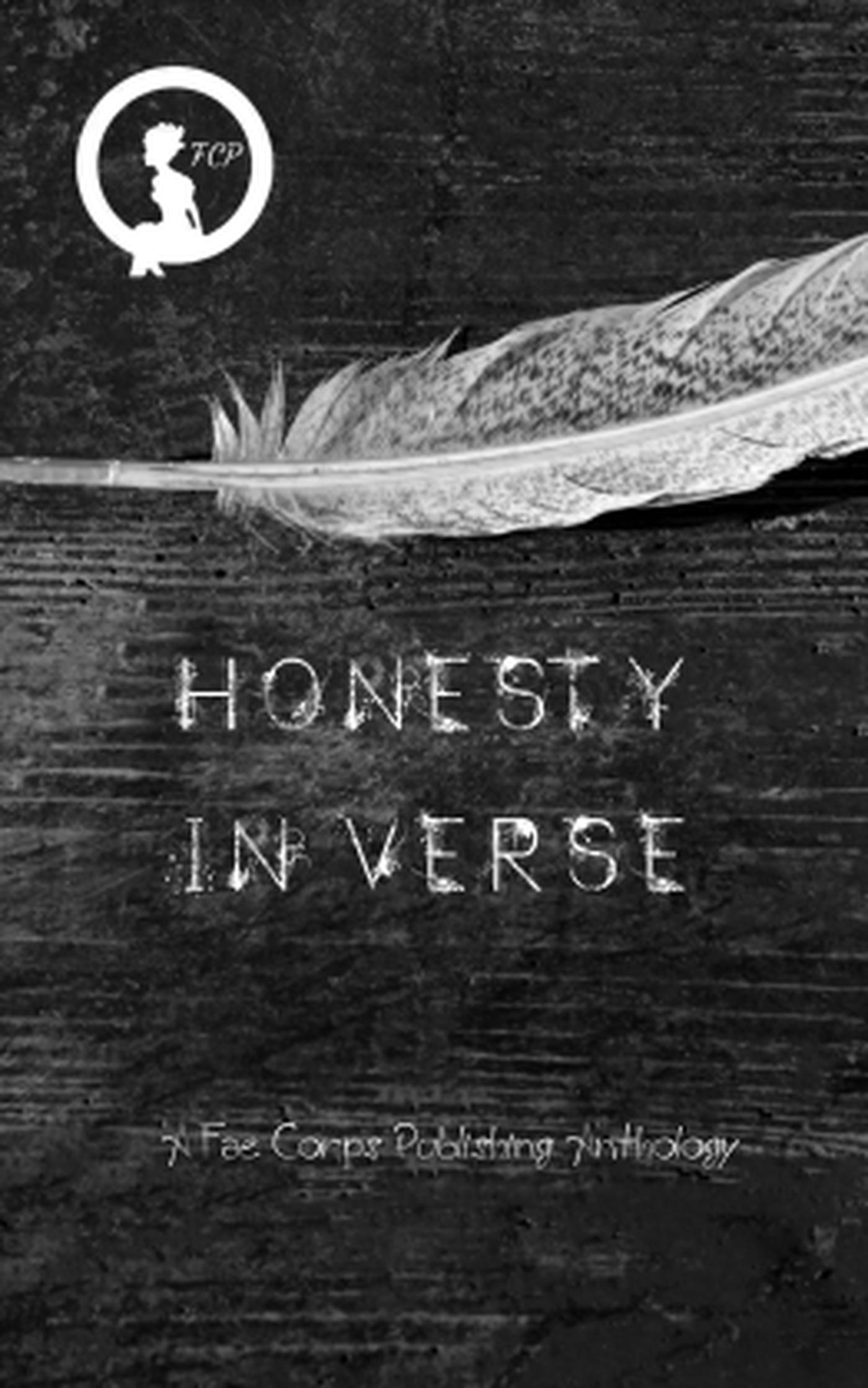
You’ve got some more new poetry in an anthology hitting virtual bookshelves on December 15th. Congratulations! You do amazing work with publishing on a regular basis. What’s the best way to market your books?
I have tried many ways to market my books, from social media, blog and podcast appearances, and online ads, to name a few. Sometimes they have worked, and other times they have not. But in the end, the one method that always works best is word of mouth.
Thank you so much for chatting with me, Andrew, and congrats again on your latest publications!

So, what’s coming up? Well, there should be a podcast in there somewhere. I’ll see how the yams turn out. How to handle someone else writing your story idea, and Christmas cocktails galore!
Read on, share on, and write on, my friends!

 Jean Lee's World
Nice post🌅🌅
LikeLiked by 2 people
Thank you!
LikeLiked by 1 person
Welcome Andrew 🌅🌅
LikeLiked by 1 person
🙂
LikeLike
Many thanks!
LikeLiked by 1 person
[…] Author #Interview: Let’s Chat with #IndieAuthor Andrew McDowell! […]
LikeLike
Thanks for sharing this!
LikeLiked by 1 person
You’re welcome.
LikeLike
Thank you, Jean.
LikeLiked by 1 person
And I thank you, Andrew, for taking time to chat with me!
LikeLiked by 1 person
My pleasure!
LikeLike
Great post! I feel that I know both of you so well. Indie people rock – don’t we!
LikeLiked by 2 people
Thanks, Chris.
LikeLiked by 1 person
We sure do, Chris! xxxxx
LikeLiked by 2 people
An interesting interview. I feel I know you better now, Andrew. You’ve always been great at reading my blog posts and commenting. I thank you for that.
And thank you, Jean for featuring Andrew.
LikeLiked by 2 people
Happy to do so, thanks!
LikeLiked by 2 people
You’re welcome. And thank you.
LikeLike
It’s always a treat to read a post about Andrew, he is a great writer. I’ve read and enjoyed both his published fantasy books. I enjoyed Beatrix Potter and Dr Seuss as a girl and would add Winnie the Pooh and Paddington to this list.
LikeLiked by 2 people
Thank you, Robbie.
LikeLiked by 1 person
Aw, Paddington is a joy. Thanks for reading! xxxx
LikeLiked by 2 people
Great interview, Andrew!
LikeLiked by 2 people
Many thanks!
LikeLiked by 2 people
Thank you, Lisa.
LikeLiked by 1 person
I enjoyed learning more about Andrew’s development as a writer and published author! Sharing.
LikeLiked by 3 people
Many thanks!
LikeLiked by 2 people
You’re welcome!
LikeLiked by 1 person
Thanks, Liz.
LikeLiked by 1 person
You’re welcome, Andrew.
LikeLiked by 1 person
Fantastic interview!
LikeLiked by 1 person
Many thanks!
LikeLiked by 2 people
Thanks, Layla.
LikeLiked by 2 people
Ugh! Marketing is sooo hard! Glad to see Andrew knows what he’s doing!
LikeLiked by 2 people
Sometimes even I don’t know that I am, but all I can do is press on.
LikeLike
Amen to that, Andrew.😂
LikeLiked by 1 person
I am, too! xxxx
LikeLike
I so enjoyed that interview xxxxx
LikeLiked by 3 people
I’m glad. Thanks.
LikeLike